
Planting Trees That Thrive in Local Conditions
Tree Installation & Planting in Live Oak for replacement trees and new landscaping projects
North Central Florida's sandy soils, seasonal flooding, and summer heat require selecting tree species that tolerate those conditions without constant intervention. Orange Advancements LLC plants replacement trees after removals and adds new specimens to cleared properties throughout Live Oak, matching species to site drainage, sun exposure, and intended function. Proper planting depth and initial watering guidance determine whether the tree establishes quickly or struggles for years.
Installation begins with evaluating soil drainage, compaction, and pH to identify suitable species. Live Oaks handle wet soils and provide long-lived shade, Crepe Myrtles tolerate drought and offer seasonal color, Magnolias thrive in partial shade with consistent moisture, and Cypress species manage standing water better than most alternatives. Planting depth positions the root flare at or slightly above grade to prevent suffocation in poorly draining soils common across the region.
Arrange a site assessment to determine which species will establish successfully in your yard's specific conditions.
Why Planting Technique Affects Long-Term Survival
Planting too deep buries the root flare and restricts oxygen exchange, causing slow decline even in otherwise healthy trees. Staking provides temporary support on windy sites or in loose soils, though stakes must be removed within one year to avoid girdling the trunk as it grows. Initial watering establishes the root system before summer heat arrives, with frequency adjusted based on rainfall and soil type rather than a fixed schedule.
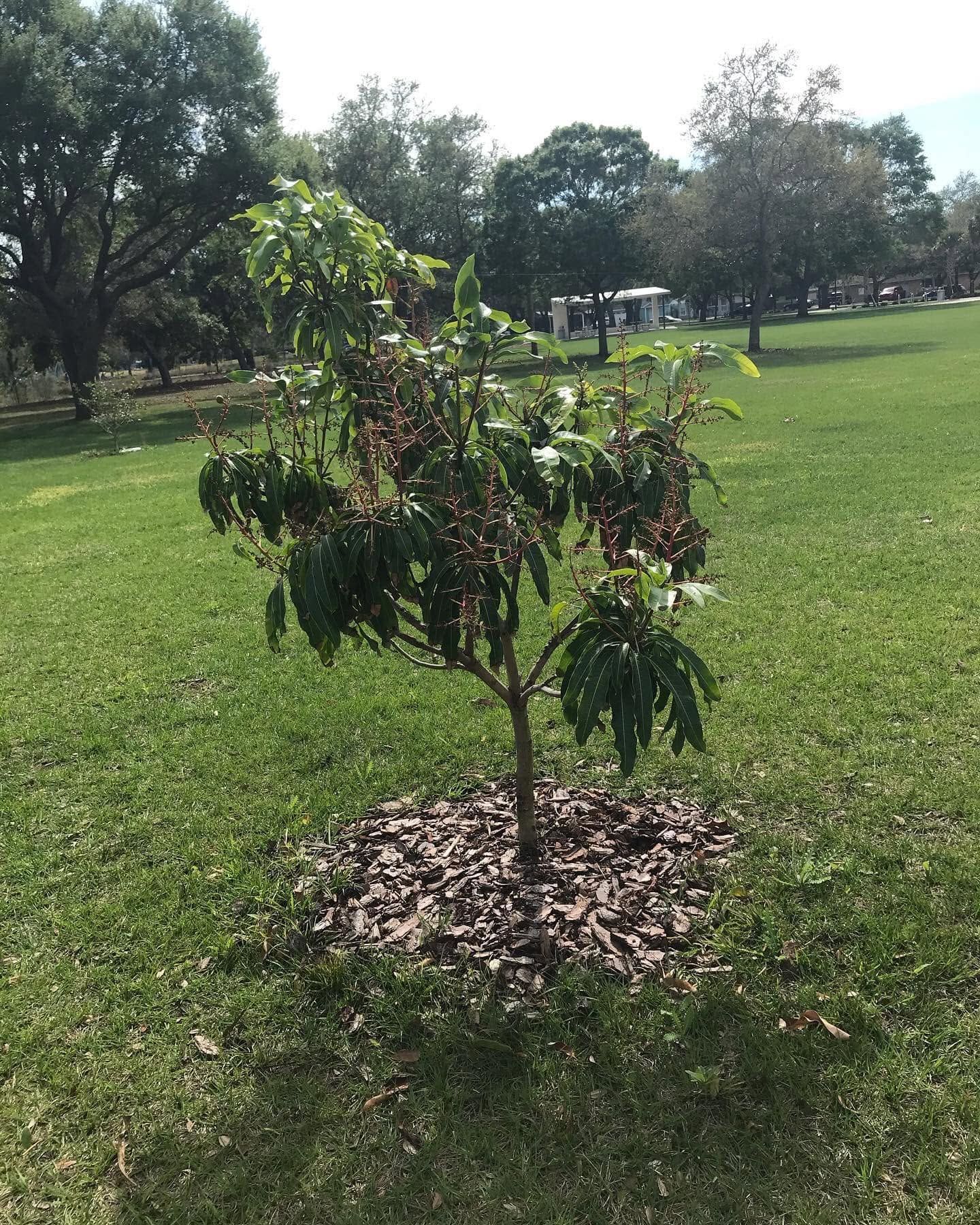
Once installed, you'll notice the tree beginning to leaf out within weeks during the growing season, roots spreading into surrounding soil, and upright growth that signals successful establishment. Live Oaks grow slowly at first but develop the deep roots that make them storm-resistant decades later. Crepe Myrtles establish faster and begin flowering within a year when planted correctly in well-draining locations.
Tree sourcing focuses on container-grown or balled-and-burlapped specimens from regional nurseries acclimated to Florida's climate. Size selection balances cost against establishment time, with smaller trees often outperforming larger transplants that experience greater transplant shock. Site preparation includes loosening compacted soil and amending planting holes only when specific deficiencies are identified through testing.
Answers to Tree Planting Questions
Property owners ask about species selection, planting timing, and how to support newly installed trees.
What species work best for replacement trees in Live Oak?
Live Oaks provide long-term shade and storm resistance, Crepe Myrtles offer color with lower water needs, Southern Magnolias handle partial shade and poorly draining soils, and Bald Cypress tolerates seasonal flooding that kills most other species.
When should planting happen in North Central Florida?
Late fall through early spring allows root establishment before summer heat arrives, reducing watering demands and transplant stress during the period when temperatures and humidity challenge newly installed trees.
How deep should the planting hole be?
The hole should match the root ball depth so the root flare sits at or slightly above the surrounding grade, preventing suffocation in heavy soils while allowing water to drain away from the trunk base.
Does staking help newly planted trees?
Staking prevents wind rock in loose or sandy soils, keeping the root ball stable while roots spread, though stakes must be removed within twelve months to avoid restricting trunk movement needed for strength development.
What watering approach supports establishment?
Deep watering two to three times per week during dry periods encourages roots to grow downward, while daily shallow watering keeps roots near the surface where they're vulnerable to drought and heat stress during Florida summers.
Orange Advancements LLC sources and installs trees suited to your Live Oak property's soil and exposure. Call (386) 243-9340 to discuss replacements after removal or new plantings for cleared acreage.