
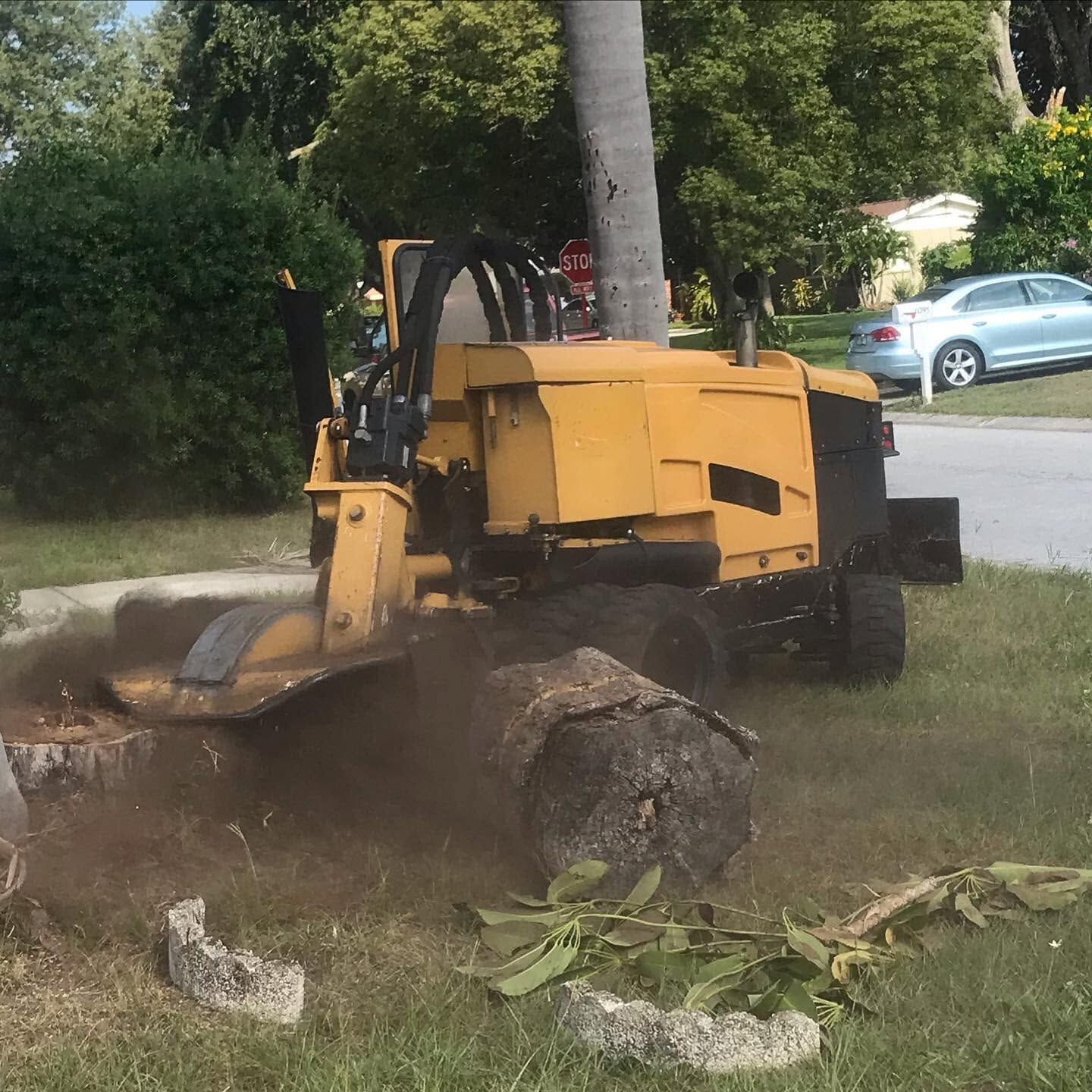
Clearing Stumps From Usable Yard Space
Stump Removal & Grinding in Live Oak for eliminating mowing obstacles and preventing regrowth
Stumps left after tree removal create tripping hazards, block mower paths, and sprout new growth that requires repeated cutting. Grinding reduces stumps below grade across North Central Florida, removing the obstruction so you can mow, plant, or build without working around decaying wood. Orange Advancements LLC processes stumps from recent removals and old remnants that have occupied yard space for years.
Grinding uses a rotating cutting wheel to chip the stump into mulch, working below the soil surface to eliminate the portion that interferes with landscaping or construction. Full-root excavation pulls the entire stump and root ball, leaving a crater that requires significant backfilling. Grinding disturbs less surrounding soil and produces wood chips that can be repurposed as mulch, hauled away, or mixed back into the hole with topsoil.
Schedule grinding once you've determined what will occupy the cleared area.
What Stump Grinding Accomplishes
The grinder reduces the stump to chips six to twelve inches below grade, deep enough to plant grass or install shallow-rooted landscaping. Grinding eliminates the food source that attracts termites, carpenter ants, and wood-boring beetles to decaying stumps. The process takes minutes for small stumps and longer for large oak or pine remnants with extensive root flares.
After grinding, you'll notice a level surface where the stump once stood, no more shoots sprouting from the edges, and usable space that no longer interrupts mowing patterns or landscaping plans. The hole left behind can be filled with the generated wood chips for a slow-decomposing mulch layer, backfilled with soil and seeded for grass, or prepared for replanting a new tree in a slightly offset location.
Chip removal and backfilling are optional steps depending on your timeline and intended use. If you plan to build over the area or install hardscaping, complete soil settling may require waiting several months or adding compacted fill. Grass restoration involves mixing topsoil into the hole, seeding, and watering until establishment occurs.
Common Stump Grinding Questions
Homeowners ask about depth, cleanup, and what happens to the wood chips generated during grinding.
How deep does grinding go?
Standard grinding removes the stump six to twelve inches below the soil surface, enough to establish grass or shallow plantings; deeper grinding is available for construction sites or areas where significant excavation will follow.
What happens to the wood chips?
Chips can remain on-site as mulch for landscaping beds, be mixed with soil to backfill the hole, or be hauled away if you prefer a clean surface ready for immediate planting or sod installation.
Why do stumps sprout after tree removal?
Living stumps retain energy in their root systems and send up shoots in an attempt to regenerate foliage; grinding eliminates this by removing the stump tissue that produces new growth, stopping the cycle without repeated herbicide application.
Can grass grow over a ground stump?
Once the hole is backfilled with a soil and chip mix and allowed to settle, grass seed establishes normally, though the area may require additional topdressing if settling creates a depression during Live Oak's rainy summer months.
What's the difference between grinding and full excavation?
Grinding chips the stump in place with minimal soil disturbance, while excavation removes the entire root ball using heavy equipment, leaving a large hole that requires substantial backfill and compaction before the site is usable.
Orange Advancements LLC grinds stumps remaining from removals or left behind by previous property owners. Call (386) 243-9340 to clear mowing obstacles and prepare your Live Oak yard for landscaping or construction.